SNS 공유하기

|

|

|

|
* 질문, 대담/ 차미경 * 번역, 편집/ 신승민홍콩 노동운동가 아포 래옹 선생 (Asia Monitor Resource Center 전 대표)과의
인터뷰(한국어, 영어)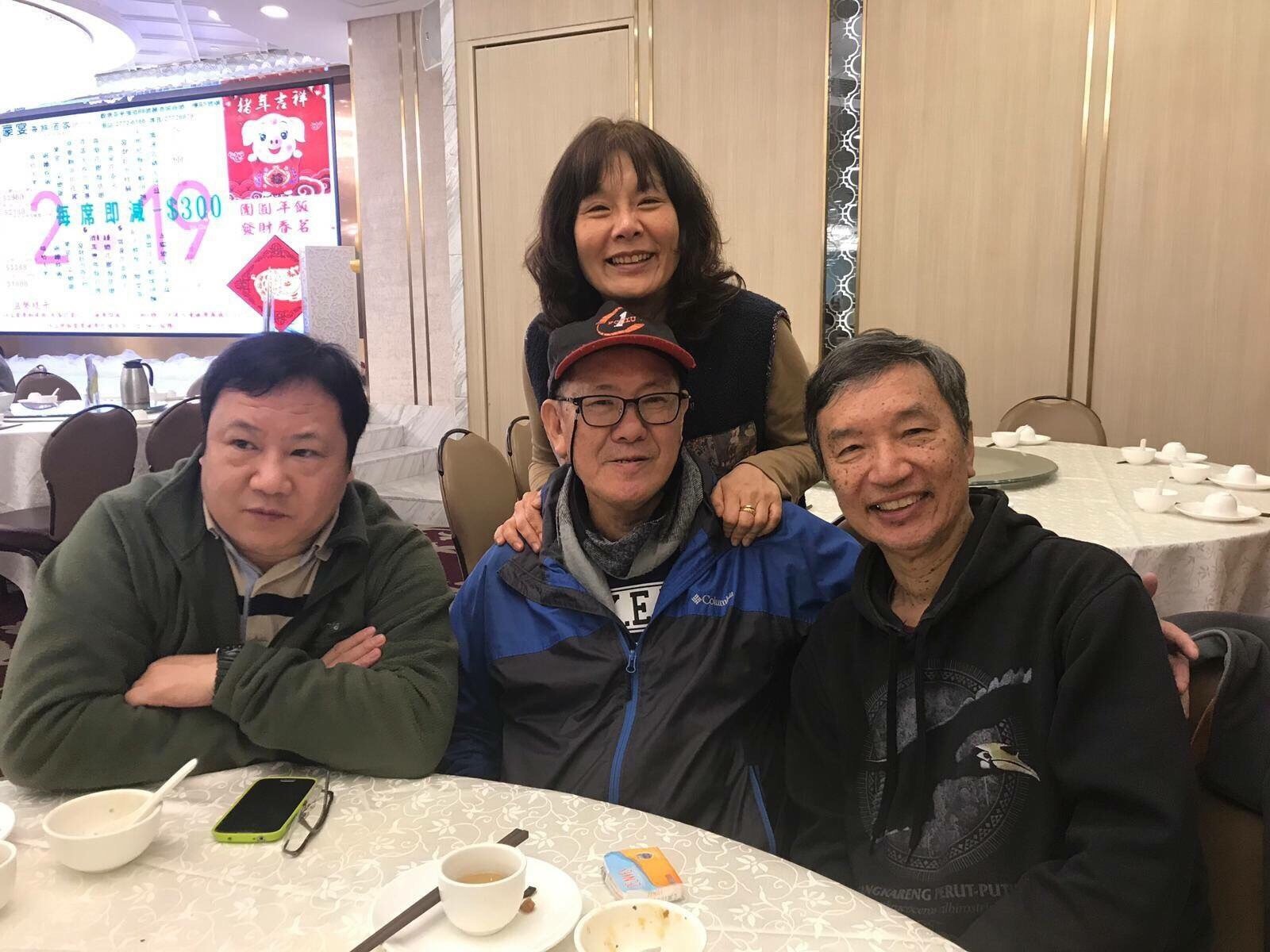
홍콩의 선거제도 개편안이 2021년 3월 30일 중국 전인대에서 만장일치로 통과되면서, 그
동안 홍콩 민주화투쟁의 핵심 사항이었던 “직접선거실현”이 요원해 보입니다. 이번 호에서는 노동자와 사회운동가로 평생을 살아온 아포 래옹 선생을 모시고 홍콩의 최근 시국 상황에 대해 들어봅니다. 아포 선생은 아시아 노동환경 개선과 노동운동의 발전을 목표로 지난 1976년 홍콩에 설립된 국제기구인 Asia Monitor Resource Center (AMRC)의 대표로 오랫동안 활동하였습니다. 작년 신 국가보안법 도입으로 달라진 홍콩의 상황과 코로나로 인한 영향, 그리고 홍콩의 미래에 대한 그의 전망을 나누어 봅니다.
1. 노동운동과 사회운동에 평생 몸 담으셨는데, 최근의 우산혁명과 민주주의 투쟁을 어떻게 평가하십니까?
오랫동안 홍콩 사람들은 정치 참여가 결여된 ‘경제적 동물’로 여겨져 왔습니다. 밥 한 그릇을 얻어먹기만 하면 정치적 부당함을 참는 경향이 있었고, 우리가 원하는 것은 매일 출근해서 먹고 살지만 정치에 관여하지 않는 것이었습니다. 최근 두 사례 (1994년과 2019년)는 이러한 편견을 깼습니다.
홍콩 반환 이후 직접민주주의와 기본적 자유를 요구하는 외침이 민중운동의 주요 테마가 됐습니다. 때때로 중국과 홍콩 정부는 홍콩 기본법에 의해 보장된 약속을 이행하지 않습니다. 오히려 그들은 비판자와 지지자들을 침묵시키기 위해 경찰력을 동원하고 강제적인 법을 만들어 내는 등의 다양한 조치들을 취하고 있습니다.
젊은 세대는 홍콩인이라는 강한 정체성을 가지고 있으며, 정의를 위한 투쟁에 기꺼이 참여하고 있습니다. 법치와 기본권은 홍콩에 있어서는 귀중한 가치이며, 홍콩 사람들은 이러한 가치들이 침해되거나 위협받고 있을 때 저항할 것입니다. 물론 빈부격차와 주거문제의 악화, 젊은 세대의 계층 이동의 어려움 등도 무시할 수 없는 주요 요인입니다.
2. 최근 홍콩 민중들의 시위를 통해 볼 때 정부와 국민 간의 신뢰에 문제가 있는 것 같은데요? 특별히 시민사회와 정부의 갈등, 그리고 시민사회의 대응에 대해 말씀해 주세요.
홍콩 정부는 입법의회 의원들의 직접선거와 의사결정 과정의 개시를 거듭 지연시켰습니다. 그들은 차라리 협의와 흡수를 통한 식민지적 접근법을 택하고 있습니다. 중국 정부가 보기에 ‘애국자’꼬리가 붙은 기업인, 친베이징계 엘리트들이 의회와 정부 전체를 장악하고 있습니다. 20년 이상의 기간 동안 노동과 사회, 인권 분야의 중요한 진전은 없었습니다. 노동운동의 노력으로 최저임금법을 얻어 낸 것뿐입니다. 단체교섭권은 1997년 이후 즉시 박탈되었고, 대신 정부는 부동산 재벌에 이익이 되는 고속철과 란타우 간척사업과 같은 초대형 프로젝트에 수십억 달러를 쏟아 부었습니다. 글로벌 금융위기 (2007년) 동안 정부는 은행과 금융 부문은 열심히 구제했지만 노동자는 구제하지 않았습니다. 마지막으로 자유와 권리를 훼손한 국가보안법(2003년), 범죄인 인도법(2019년) 등 달갑지 않은 법들을 정부가 일방적으로 서둘러 통과시켰습니다. 따라서 정부와 국민들 간의 불신의 격차는 점점 커지고 있고 수많은 여론조사에서 알 수 있듯이 좁혀지지 않고 있습니다.
홍콩 정부가 자주 사용하는 새로운 무기는 신 국가보안법(NSL 2020)입니다. 이 법은 시민사회를 위축시키고 오싹하게 만들었습니다. 거리 시위는 소강상태에 접어 들었거나 잔인하게 진압되었지만, 법정 소송은 계속되고 있습니다. 노조와 비정부기구들이 해산되고 있고, 반체제 인사들은 홍콩을 떠나 망명하거나 기소되고 있습니다. 언론 검열 내지는 자체 검열이 진행되고 있습니다. 이 현상은 홍콩 시민사회의 미래에 암울한 그림자처럼 보입니다. 하지만 시민사회는 이 적대적인 상황에 적응하기 위해 빠르게 움직이고 있습니다. 그들은 한국, 폴란드, 대만의 시민사회가 권위주의 정권 하에서 공적 영역이나 언더그라운드 영역에서 어떻게 활동을 유지했는지 배웁니다. 희망을 잃지 않기 위해 사기를 유지하는 것이 시급합니다. 지금은 좀 더 폐쇄적인 서클 토론과 상황 분석과 평가를 하고 있습니다. 홍콩 시민사회는 지난 2년 동안 국제 네트워크들의 지원으로 많은 힘을 얻었습니다. 앞으로 공식 국제 네트워크뿐만 아니라 NGO 차원에서도 이러한 협력이 더욱 긴밀하게 확대, 심화되어야 합니다.
3. 미국 국기가 시위에 등장하면서 미국음모론이 제기되는데 어떻게 보시나요?
중국 정부뿐만 아니라 홍콩 정부도 적대세력, 특히 미국에서 온 세력에 의한 외세 개입이 있다고 주장합니다. 사실, 대부분의 홍콩 국민들은 중국과의 통일에 반대하지 않을 것이지만 그들 중 일부 즉, 대부분 젊은이들은 ‘독립’을 원할 것입니다. 시위에서 미국과 영국/식민지의 홍콩 국기가 휘날리는 것을 보고 다소 놀랐습니다. 영국/식민지 깃발은 향수병입니다. 어떤 이들은 식민지 시대가 현재보다 더 낫다고 생각하기 때문입니다. 미국 국기는 미국 정부의 선전과 같이 미국이 홍콩의 자유를 지켜 줄 것이라고 생각하는 오해와 신화를 나타냅니다. 게다가 그들은 미국과 중국 정부 사이에 계속되는 무역전쟁을 이용하여 당국에 압력을 가하기를 원합니다. 미국 에이전트들이 펼치는 평화혁명 전략도 무시할 수 없습니다. 민중운동이 외부인이나 내부인들의 숨겨진 의도에 이용되지 않도록 상황을 평가하고 그에 따른 계획을 세우는 등 냉철하게 대처해야 한다고 생각합니다.
4. 홍콩은 다문화 다민족 사회인데, 작년 상황이 이러한 다문화사회에 영향을 줄까요?
지난 2년 동안 민권전선과 같은 홍콩 시민사회 단체는 인종, 성별, 종교의 한계를 넘어 연대하는 원칙을 항상 지켜왔습니다. 이러한 연대의 접근방식으로 많은 이주 노동자, 이슬람교도들이 시위에 참여하게 되었습니다. 그러나 정치적 요구는 사회적 또는 경제적 요구와 맞물려 있어야 합니다.
5. 2019년 빈곤율은 21.4%로 11년 만에 최고치를 기록했는데, 코로나19가 홍콩의 빈곤율에 어떤 영향을 주고 있습니까?
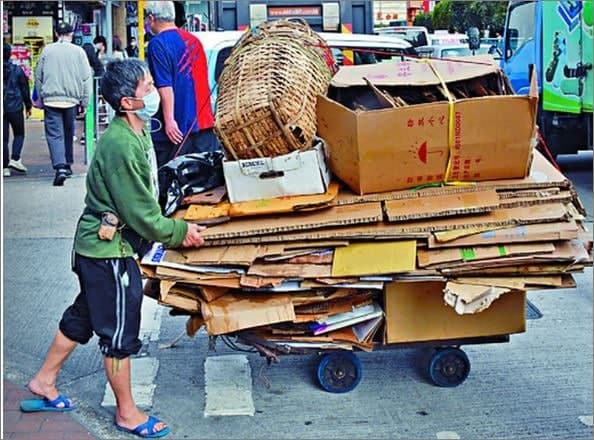
가난한 사람들은 코로나19로 매우 부정적인 타격을 받습니다. 가장 최근의 보고서는 빈곤의 발생률이 더 증가하고 있다는 사실을 보여줍니다. 증가하는 실업률은 각계각층을 위협하고 있어, 실업급여의 확대는 시민사회의 공통된 요구입니다. 정부는 사회복지에 대한 구태의연한 사고방식을 바꾸지 않고 있습니다. 그들은 여전히 복지분야의 개혁에 저항하고 있으며, 전통적인 자산조사(Means Test) 방식을 사회복지제도의 축으로 삼고 있습니다. 노인복지에 관해서는 70세 노인에 대한 쥐꼬리만한 노령 수당을 제외하고는 대책이 없습니다. 점점 더 많은 노동자들이 즉, 임시직 노동자, 프리랜서 노동자, 그리고 다양한 종류의 ‘유연한’ 노동 분야에 있는 노동자들이 노동법의 보호를 받지 못하고 있습니다.
6. 홍콩 언론들은 ‘코로나 이혼’ 즉, 가족간 갈등과 이혼이 증가하는 것을 코로나19의 장기화에 의한 부작용 중 하나로 꼽았습니다. 코로나 사태로 인해 생기는 가정의 문제에 대해 말씀해 주세요.
자살뿐만 아니라 가족간의 갈등도 이런 시기에 일어납니다. 금전적인 문제뿐 아니라 부모와 자녀(노랑 대 파랑)가 정치적 의견이 달라 다툼을 벌이기도 합니다. 그래서 이제 홍콩에 남느냐 아니면 이민을 가느냐가 가족들 사이에서 또 다른 뜨거운 논쟁이 되고 있습니다.
7. 전염병은 홍콩과 중국 사이의 여행을 제한하고 있습니다. 이런 상황이 지속된다면 어떤 사회현상이 발생할까요? 한국에서는 실업이 증가함에 따라 한국에 살고 있는 이민자들에 대한 차별적인 혐오 발언과 행동이 증가하고 있습니다만, 홍콩에서는 어떻습니까?
한 친중파 의원은 이주 노동자 모임이 코로나19를 확산시키고 있다고 비난했는데 이에 대해 이주 노동자들은 분노하고 있습니다. 같은 이유로 남아시아 음식 배달원들의 서비스를 거부하는 이들도 있습니다. 인종차별 문제에 대한 사회적 경각심이 높아지고 있으며, 시민사회가 이에 당당히 맞서야 합니다.
8. 마지막으로 뉴질랜드와 호주에서 사용되는 박멸전략은 유럽과 북미의 억제전략과 차이가 있지만, 박멸전략이 계속 실패한다면 무엇에 초점을 맞춰야 합니까?
지난번 사스처럼 코로나19가 빨리 종식되지 않을 것으로 보입니다. 두 전략 모두 장단점이 있습니다. 홍콩 정부는 중국의 박멸전략의 조치를 따라 현재 어느 특정 지역에 대한 매복검사나 봉쇄정책 등을 강행하고 있는데 그 결과는 그다지 만족스럽지 못합니다. 홍콩 사람들은 그것이 자원의 낭비인지 아니면 단지 그들의 보스인 베이징 정부를 기쁘게 하기 위한 쇼인지 궁금해하기 시작했습니다. 정부 부처들 간의 부실한 조정과 일관성 없는 정책들은 일반 대중들을 혼란스럽게 만들고 있습니다. 이번 예방접종이 질서 있게 진행되길 기대합니다. (2021.03.10)
In this issue, Mr. Apo Reong, who has lived his entire life as a worker and a social activist, talks about the recent situation in Hong Kong since the enforcement of the National Security Law. Mr. Apo has long served the Asia Monitor Resource Center (AMRC), an international organization established in Hong Kong in 1976 with the aims of the improvement of working environment and the development of labor movement.
(1) As a person who has lived entire life as a labor and a social activist, what do you think of Hong Kong’s umbrella protests and people’s democratization?
For a long time, HK people have been looked upon as ‘economic animals’ and not a politically minded body. They tend to tolerate political injustice as long as they are given a bowl to rice to eat. All they want is to go work every day and to make a living but to stay away from politics. The two recent cases (1994 and 2019) have demonstrated against this viewpoint.
Since handover, the cry for direct democracy and basic freedoms has become the main theme of the people’s movement. Time and again, the Chinese and the HK governments do not fulfil their promises as enshrined under the Basic Law. They rather adopt authoritative measures to silence the critics and their supporters by police force and other measures such as manipulating the coercive laws.
The young generation has a stronger identity with HK. They are more willing to take up the fight for justice.
The rule of law, basic human rights are much treasured in HK and HK people will resist when they see how these basic values are being eroded or threatened.
Of course, the other major factors which cannot be ignored are the growing gap between the rich and poor, the deepening of the housing problems and the lack of class mobility for the young generation.
(2) Hong Kong’s people demonstration shows the world that there is a lack of trust between the state and its citizens. What do you think is the reason why is citizens’ resistance exceptionally strong regardless of the generation?
Repeatedly the HK government delayed the direct election process of the Legislative Council and the opening up of the decision-making process. They would rather adopt the colonial approach by consultation and cooptation. The whole regime is dominantly by the businesspeople, the pro-Beijing elements and the elites who are labeled as ‘patriots’ in the eyes of the Chinese government. There is no significant growth of labour protection nor social protection for the HK people for more than two decades. It was the hard work of the labour movement to gain the minimum wage law passed. But the collective bargaining right was robbed off immediately after 1997. Instead the government poured billions of dollars in mega projects such as the high-speed train and the Lantau reclamation projects which benefit the property market. During the global financial crisis (2007) the government eagerly bailed out the banking and financial sector but not the workers. Lastly, the government unilaterally rushed to pass the unwelcome laws such as the National Security Bill (2003) and the Extradition Law (2019) which undermined freedoms and rights. Thus, the gap is widening but not narrowing as illustrated by numerous opinion polls.
(3) Until now, whenever I hear the news of the arrest of officials of the Confederation of Trade Unions (CTU), I feel that the conflict with the government authorities would not end. How did Hong Kong’s civil society come to you after the umbrella demonstration and the security law?
The new weapon frequently used by the HK government is the new National Security Law (NSL 2020). This has created a deterring and chilling effect among the civil society. Street confrontations have now subdued or are brutally suppressed, and the court cases are continuing. Unions and NGOs are being dissolved, dissents are leaving HK to seek asylum or being prosecuted, press censorship or self-censorship is occurring. This phenomenon looks like a bleak picture for the future of HK civil society. However, the civil society is learning fast and quick to adapt to this hostile situation. They look for examples such as S Korea, Poland, Taiwan how the civil society maintain its activities either in public or underground under an authoritarian regime. It is urgent to preserve the morale so as not to lose faith. Right now, they are having more closed circle discussion and assessment of the situation.
On the other hand, the HK civil society has gained a lot of strength from international networks and their support in the last two years. This has to be consolidated, broadened and deepened, not only at official channels but more importantly at the NGO levels.
(4) There was a conspiracy theory that the U.S. was behind Hong Kong’s protests as the American flag has been seen carried by protestors during demonstrations on different occasions. What do you think about this view, and what does it mean for the people in HK?
The HK government as well as the Chinese government holds that there are a lot of foreign interventions by hostile forces, particularly those from the USA through their agents. As a matter of fact, most the HK people would not oppose the unification with China but some of them, mostly young people, are for ‘independence’. It is rather awkward to see flying US and UK/colonial HK flags in demonstrations. The UK/colonial flags are nostalgia because some people miss the days of the colonial rule, which they think is much better than the present one. The US flags signify the misunderstanding and the myths that some people think that US would safeguard their freedoms as propagated by the US government. Furthermore, they want to make use of the ongoing trade war between the US and Chinese governments so as to put pressure on the authorities. The peaceful revolution strategy by the US agents cannot be ignored. We must be aware and keep a sober mind to assess the situation and plan accordingly so that the people’s movement would not be used by outsiders or insiders with their hidden agenda.
(5) Hong Kong is a multicultural (multi- ethnic); society in Asia. It has active solidarity organizations such as international migration, labor, youth, women, environment, peace, and inter-religious dialogues working to address some issues around Asia. Do you think Hong Kong’s situation last year affected these international solidarity offices?
For the past two years, the HK civil society such as the Civil Rights Front has always been upholding the principle of solidarity above racial, gender, religious factions. The united front approach wins the involvement of many migrant workers, Muslims in demonstrations. Political demands should be intertwined with social or economic demands.
(6) According to the Hong Kong’s report released on December 23, 2020, the poverty rate in 2019 was 21.4%, the highest in 11 years. The number of infected people has been increasing in Hong Kong’s since January. Do you think the persistence of Covid-19 infections will affect poverty rate? If so, how?
The poor is very much negatively affected by the COVID 19. The most recent Poverty Report indicates higher incidences of poor. The growing unemployment rate is threatening all walks of life, and the demand for unemployment benefits is a common call by the NGOs.
The government has not changed its old-fashioned mindset in social welfare. They still resist any reform in the welfare field and use the traditional means tested approach as the main social protection measures – social assistance. The elderly is left with no pension provision except the token old age allowance for the senior citizens of 70 years old. More and more workers are kicked out of the protective labor laws such as gig workers, freelance workers, and many other types of ‘flexible’ labor.
(7) Hong Kong media pointed out the increase in family conflicts and divorces called “covidivores” as one of the social phenomena and side effects of the prolonged pandemic. The reason was serious unemployment and the narrow residential space where family members were concentrated. What civil society arise when the increase in the family crisis increases socially?
Family conflicts as well as suicides do occur in these times. Not only they quarrel over financial matters but also over divided political opinions between the parents and their children (yellow vs blue camp). Now, to stay in HK or to immigrant is another hotspot debate among family members.
(8) In Korea, as unemployment increases, discrimination or verbal abuse done against immigrants living in Korea is increasing. Simultaneously, this phenomenon is also surprising to the degree of awareness of multiracial migrants in our society. Pandemic also restricts travel between Hong Kong and China. From a macro perspective, what do you think would be the effects of this disaster to Hong Kong’s current social phenomena?
One pro-Beijing law maker accused the gathering of migrant domestic workers for the spreading of the COVID 19 created an uproar. Some people refused the service of South Asian food delivery workers for the same reason. This has drawn the attention of worsening racial discrimination which the civil society must stand upfront to combat.
(9) Lastly, the eradication strategy used in Asia, Oceania (New Zealand, Australia) is different from the deterrent strategy in Europe and North America, but if the strategy of eradication in Asia continues to be unsuccessful, what do you think should we focus on? The problem of life and death comes too close.
It seems that the COVID 19 will not go away very soon, like SARS last time. Both strategies have its pros and cons. HK government is eager to follow China the steps taken by eradication strategy and that is why currently ‘ambush attack’ or ‘lock down’ in targeted neighborhood is taking place, but the result is not very satisfactory. People start to wonder it is a waste of resources or for a show only to please their superior boss – the Beijing government. The poor coordination of different HK government departments and the inconstant directives confuse the general public. It is hoped that the coming vaccination will be conducted in an orderly manner.
* Interviewed by Cha Mi-kyung
* Edited by Shin Seung-min